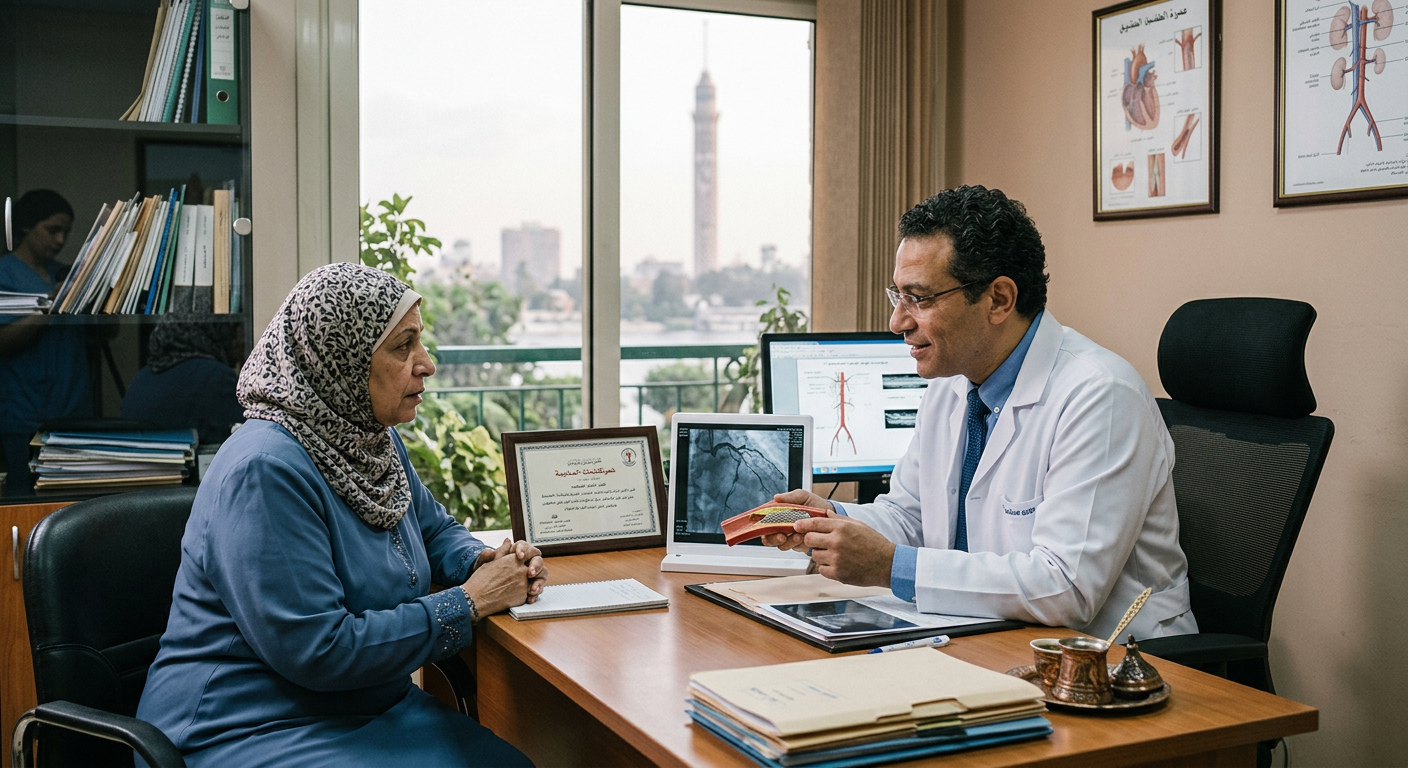
One of the most common questions patients ask at Dr. Mohamed Haggag's vascular surgery clinic in Heliopolis, Cairo is: "What exactly does a vascular surgeon treat?" The answer is broader than most expect. Vascular surgery is the surgical specialty concerned with diagnosing and treating diseases of the arteries, veins, and lymphatic vessels throughout the body — with the exception of the heart's own coronary arteries and the cerebral vessels. The spectrum ranges from cosmetic varicose veins to life-threatening aortic aneurysms. This guide covers everything you need to know.
What Is Vascular Surgery?
Vascular surgery is a surgical specialty focused on the body's circulatory plumbing: the arteries that carry oxygenated blood away from the heart to the organs and limbs, the veins that return deoxygenated blood back to the heart, and the lymphatic vessels. A vascular surgeon works on the entire vascular tree — from the neck down to the feet — using a combination of open surgical and minimally invasive endovascular techniques.
Crucially, modern vascular surgery is not synonymous with open surgery. The field has been transformed over the past two decades by catheter-based, image-guided techniques that allow most conditions to be treated through a tiny skin puncture rather than a large incision — often as a day-case procedure under local anaesthesia.
Who Is a Vascular Surgeon?
A vascular surgeon completes general surgical training and then undertakes several additional years of subspecialty training in vascular diseases and their surgical and endovascular management. The specialty uniquely straddles two worlds: the operating theatre and the catheter suite.
Dr. Mohamed Haggag is a consultant vascular surgeon based in Heliopolis, Cairo, with over 11 years of experience in both open and endovascular vascular surgery. His subspecialty interests include: endovenous laser and radiofrequency ablation for varicose veins, catheter-based treatment of peripheral arterial disease, endovascular aortic repair (EVAR), and dialysis access creation and maintenance. To learn more about choosing the best vascular surgeon in Egypt, read our detailed guide.
Conditions Treated by Vascular Surgery
Vascular surgery addresses a wide spectrum of conditions, broadly divided into arterial and venous disease:
Arterial Conditions
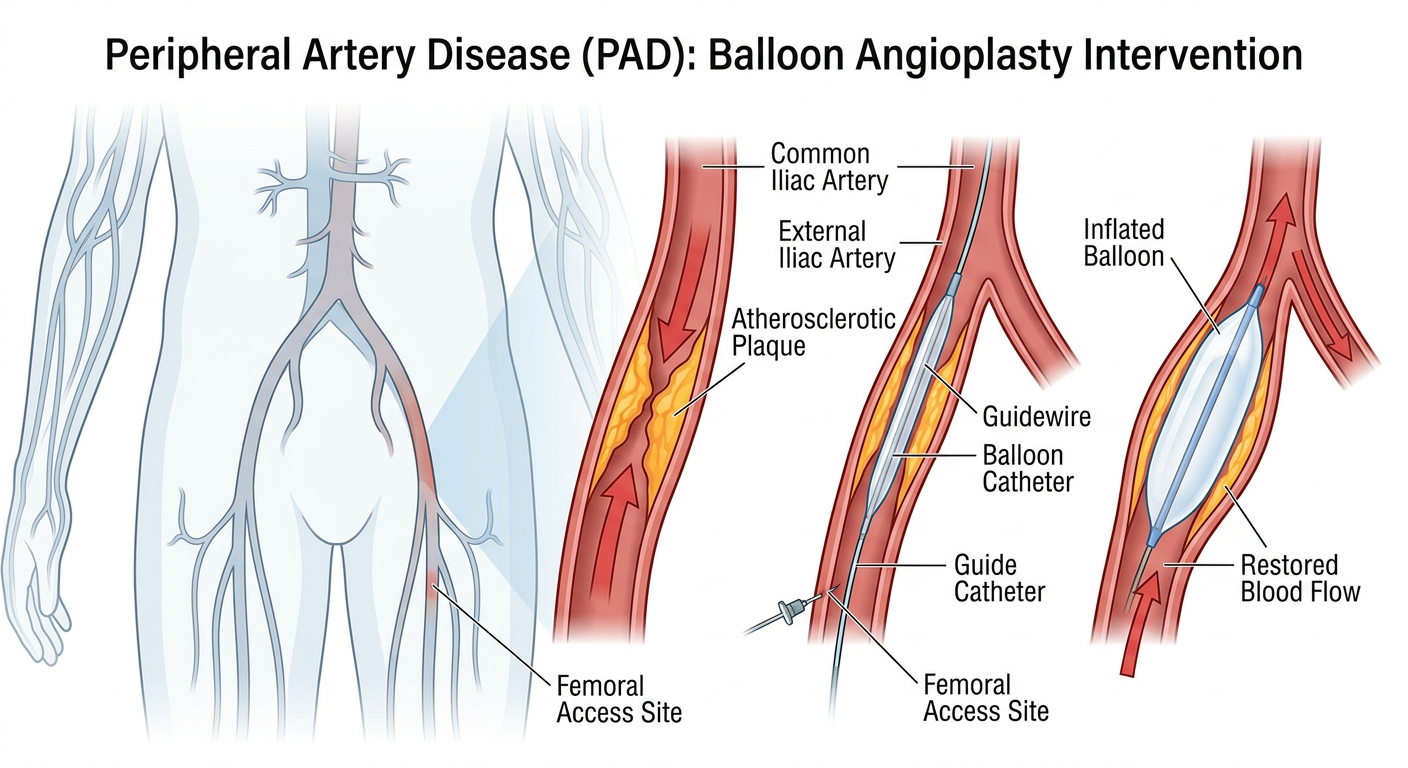
- Peripheral Artery Disease (PAD): Narrowing of the leg arteries due to atherosclerosis, causing cramping pain on walking (claudication) and, in advanced stages, rest pain and non-healing wounds.
- Abdominal Aortic Aneurysm (AAA): Dilatation of the abdominal aorta — dangerous because it is usually silent until rupture. Treated by endovascular aortic repair (EVAR) using a catheter-delivered stent-graft.
- Carotid Artery Stenosis: Plaque build-up in the carotid arteries of the neck, which dramatically raises stroke risk. Treated by carotid endarterectomy or carotid stenting.
- Diabetic Foot: Vascular disease is a central component of diabetic foot — restoring arterial inflow is a prerequisite for wound healing in ischaemic diabetic ulcers.
- Acute Aortic Dissection: A vascular emergency requiring immediate intervention, either surgically or endovascularly depending on the type.
- Mesenteric and Renal Artery Disease: Narrowing of the arteries supplying the gut and kidneys, causing intestinal angina, hypertension, or renal failure.
Venous and Other Conditions
- Varicose Veins: Among the most common vascular conditions — treated today primarily with endovenous laser, radiofrequency ablation, or medical adhesive (VenaSeal), rather than traditional stripping surgery.
- Deep Vein Thrombosis (DVT): Blood clot in the deep veins, carrying a risk of pulmonary embolism. Selected cases benefit from catheter-directed thrombolysis to reduce the long-term burden of post-thrombotic syndrome.
- Post-Thrombotic Syndrome: Chronic swelling, pain, and skin changes following DVT — in some cases amenable to venous stenting.
- Pelvic Congestion Syndrome: Dilated pelvic veins causing chronic pelvic pain in women — treated by catheter-directed embolisation.
- Chronic Venous Insufficiency: Venous reflux causing progressive leg swelling, skin changes, and venous ulcers requiring active vascular management.
- Dialysis Access (AV Fistula): Surgical creation of an arteriovenous fistula in the arm for haemodialysis — a technically demanding procedure requiring an experienced vascular surgeon.
⚠️ Do Not Delay Vascular Assessment
Vascular disease is often silent until an acute event occurs. A large proportion of limb amputations, strokes, and sudden vascular deaths could have been prevented with timely intervention. If you have cardiovascular risk factors — diabetes, hypertension, smoking, or a family history of vascular disease — a preventive vascular assessment is strongly advisable.
The Latest Vascular Surgery Techniques
Vascular surgery has undergone a genuine technological revolution. The field has shifted from large open operations to precise, minimally invasive procedures performed through tiny punctures:
Venous Techniques
- Endovenous Laser Ablation (EVLA): A laser fibre is threaded inside the varicose vein and delivers thermal energy to seal it from within — no surgical incision, 30–45 minutes, and the patient walks out immediately.
- Radiofrequency Ablation (RFA): Similar principle to EVLA using radiofrequency heat — some studies show marginally less post-procedure bruising than laser.
- Medical Adhesive (VenaSeal): A medical-grade cyanoacrylate glue is injected into the vein to seal it instantly — no heat, no compression stockings mandatory post-procedure.
- Sclerotherapy: A chemical agent injected into small varicose veins and spider veins to destroy them — ideal for cosmetic treatment of superficial venous disease.
Arterial Techniques
- Percutaneous Transluminal Angioplasty (PTA): A balloon catheter is threaded to the narrowed artery via a tiny groin or wrist puncture and inflated to open the blockage.
- Arterial Stenting: A self-expanding metal mesh stent is deployed within the artery after balloon dilatation to maintain its patency.
- Endovascular Aortic Repair (EVAR): Treatment of abdominal aortic aneurysm without open abdominal surgery — a stent-graft is delivered into the aorta through small groin incisions under X-ray guidance.
- Catheter-Directed Thrombolysis (CDT): A catheter placed directly inside a thrombosed vein or artery delivers a clot-dissolving drug (tPA) precisely at the site of clot.
✅ Most Vascular Procedures Today Require No General Anaesthesia
The shift to minimally invasive techniques means the majority of vascular patients are treated under local or light intravenous sedation, go home the same or next day, and resume normal activities within days. For a full overview of the procedures offered by Dr. Haggag, see our vascular services overview.
7 Warning Signs You Need a Vascular Surgeon
The following signs warrant prompt evaluation by a vascular surgeon:
- Leg pain that comes on walking and resolves with rest: Classic intermittent claudication — a hallmark of peripheral artery disease requiring vascular assessment and likely intervention.
- Sudden unilateral leg swelling with pain: A possible deep vein thrombosis — attend the emergency department or arrange an urgent vascular appointment for duplex ultrasound.
- A foot wound that has not healed within two weeks: Especially in a diabetic patient — may indicate critical limb ischaemia, with limb loss risk if not treated promptly.
- Varicose veins accompanied by skin changes or an ulcer: Not a cosmetic nuisance — skin pigmentation, lipodermatosclerosis, or a venous ulcer demands active vascular treatment.
- A pulsatile abdominal mass: May represent an abdominal aortic aneurysm requiring monitoring or elective repair before rupture.
- Sudden cold, pale, or blue foot: Acute limb ischaemia — a vascular emergency requiring revascularisation within hours to save the limb.
- A bruit heard over the neck: May indicate significant carotid artery stenosis and elevated stroke risk — requires carotid duplex imaging without delay.
Vascular Surgery in Heliopolis, Cairo — Dr. Mohamed Haggag
Dr. Mohamed Haggag's vascular surgery clinic in Heliopolis offers a comprehensive vascular service covering:
- Full clinical vascular assessment and risk stratification
- Colour duplex ultrasound for arterial and venous diagnosis
- Individualised treatment planning for each patient
- Minimally invasive endovascular and endovenous procedures using the latest technology
- Post-procedural follow-up and outcome monitoring
The clinic is centrally located in Heliopolis, Cairo, accessible from most Greater Cairo districts. To book an appointment:
- Phone: +201117923000
- Address: 160 Al-Hejaz Street, Heliopolis, Cairo
- WhatsApp booking available for rapid appointment scheduling
Frequently Asked Questions About Vascular Surgery
What is the difference between a vascular surgeon and a cardiac surgeon?
A vascular surgeon specialises in arteries and veins throughout the body — except the heart's coronary arteries and the brain's vessels, which are managed by cardiac and neurosurgeons respectively. Vascular surgeons treat varicose veins, peripheral artery disease, aortic aneurysms, DVT, diabetic foot, and dialysis access.
Is vascular surgery dangerous?
Modern vascular surgery has shifted dramatically towards minimally invasive, catheter-based procedures. Most conditions today are treated with endovascular techniques — angioplasty, stenting, laser, or radiofrequency ablation — under local anaesthesia, with very low risk profiles and short recovery times.
When should I see a vascular surgeon?
See a vascular surgeon urgently if you experience: sudden leg swelling with pain, a blue or black discolouration of the foot, a non-healing wound especially in a diabetic patient, or a cold pulseless limb. Schedule a routine appointment if you have advanced varicose veins, vascular risk factors, or a family history of aortic aneurysm.
How long does an endovascular procedure take?
Most catheter-based vascular procedures take between 45 minutes and 2 hours depending on complexity. Patients typically go home the same day or the following morning, with no need for a prolonged hospital stay.
Ready to Speak with a Vascular Specialist?
Whether you have a specific vascular symptom or simply want a preventive assessment, Dr. Mohamed Haggag offers expert vascular surgery consultations in Heliopolis, Cairo. With 11 years of experience in open and minimally invasive vascular procedures, he provides clear answers and personalised treatment plans.
Book a Consultation