Imagine stepping outside on a cold morning and watching your fingers turn white, then blue, then bright red — all within minutes. This striking sequence is not merely sensitivity to cold; it is Raynaud's phenomenon, a vascular condition characterised by an exaggerated arterial response to cold temperatures or emotional stress. Dr. Mohamed Haggag, vascular surgeon in Heliopolis, Cairo, explains what Raynaud's is, why it happens, and when it warrants specialist investigation.
What Is Raynaud's Phenomenon?
Raynaud's (pronounced "ray-NOHZ") is a condition in which the small arteries supplying the fingers, toes, ears, or nose go into sudden vasospasm — an intense, temporary constriction — in response to cold or stress. This dramatically reduces blood flow to the affected area, triggering the characteristic colour change.
The condition is named after the French physician Maurice Raynaud, who described it in 1862. It affects an estimated 5–10% of the general population, with a strong female predominance.
The Triphasic Colour Change
The hallmark of Raynaud's is a three-stage colour change in the affected digits:
- White (pallor): The initial vasospasm cuts blood flow, draining colour from the skin.
- Blue (cyanosis): As the remaining blood loses its oxygen, the skin takes on a blue-purple tinge.
- Red (rubor): When the spasm resolves and blood rushes back, the skin flushes bright red — often accompanied by throbbing pain, tingling, or burning.
Not all patients experience all three phases — some see only pallor and cyanosis. The entire episode typically lasts 15–30 minutes.
Primary vs Secondary Raynaud's
Understanding the distinction is critical, because secondary Raynaud's can signal serious underlying disease:
- Primary Raynaud's (Raynaud's Disease): No identifiable underlying cause. Symptoms are typically mild, affect young women, and do not progress to tissue damage. The vascular anatomy is structurally normal — it is a functional problem only.
- Secondary Raynaud's (Raynaud's Phenomenon): Triggered by an underlying condition, usually an autoimmune or connective tissue disease. Symptoms tend to be more severe, asymmetric, and may lead to digital ulcers or necrosis if untreated.
Diseases Linked to Secondary Raynaud's
The most common associated conditions include:
- Systemic sclerosis (scleroderma) — the most common association; Raynaud's precedes scleroderma diagnosis by years in many patients
- Systemic lupus erythematosus (SLE)
- Rheumatoid arthritis
- Sjögren's syndrome
- Buerger's disease (thromboangiitis obliterans)
- Occupational vibration injury (hand-arm vibration syndrome)
- Certain medications: beta-blockers, chemotherapy agents, ergotamine
How Is Raynaud's Diagnosed?
Diagnosis begins with a careful clinical history and physical examination. Key investigations include:
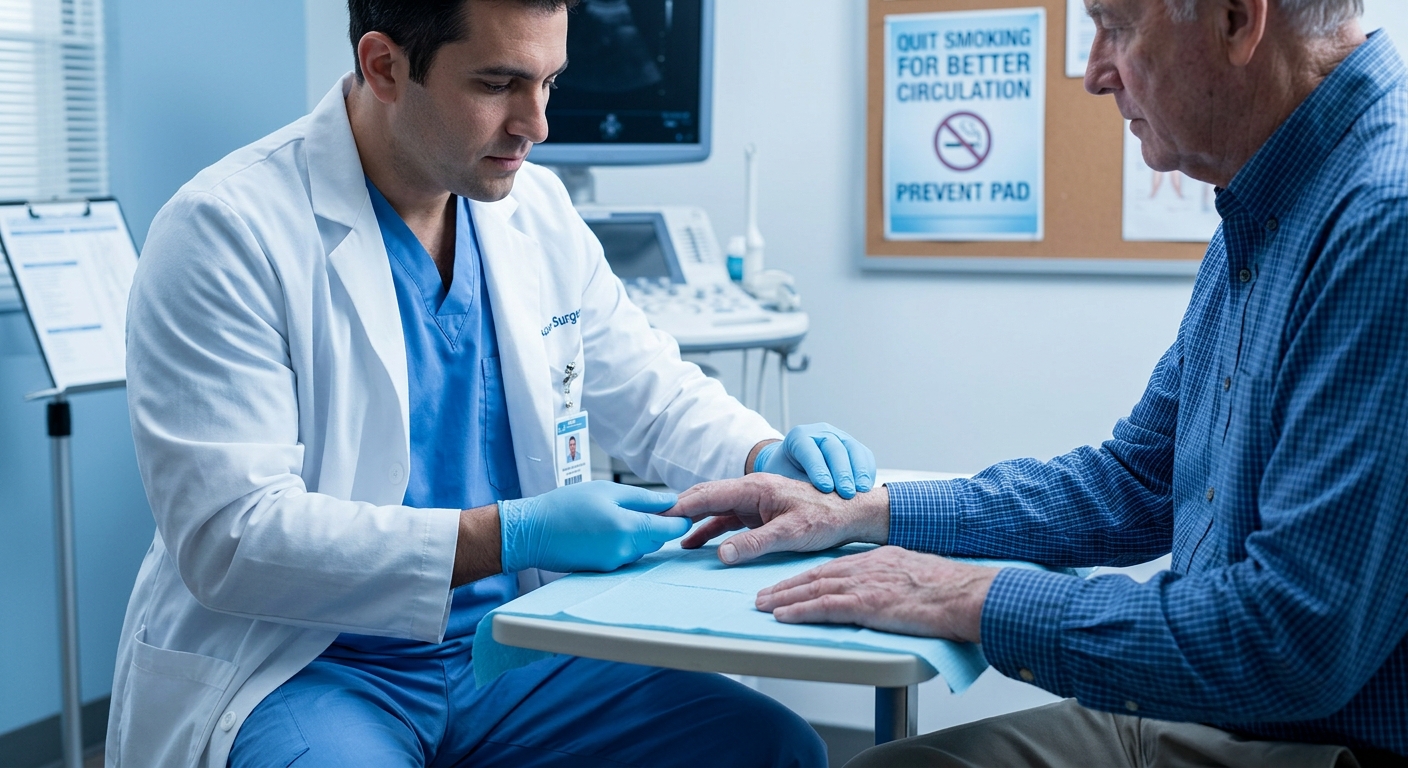
- Nailfold capillaroscopy: A simple bedside technique using a magnifying lens to examine the tiny capillaries at the base of the nail. Abnormal capillaries strongly suggest secondary Raynaud's, especially scleroderma.
- Autoimmune blood tests: ANA, anti-Scl-70, anti-centromere, anti-dsDNA to screen for connective tissue diseases.
- Doppler ultrasound: Assesses blood flow in the digital arteries and rules out structural arterial disease.
- Cold challenge test: Objectively confirms the vasospastic response by measuring finger temperature recovery after a standardised cold stimulus.
Treatment: Lifestyle Measures First
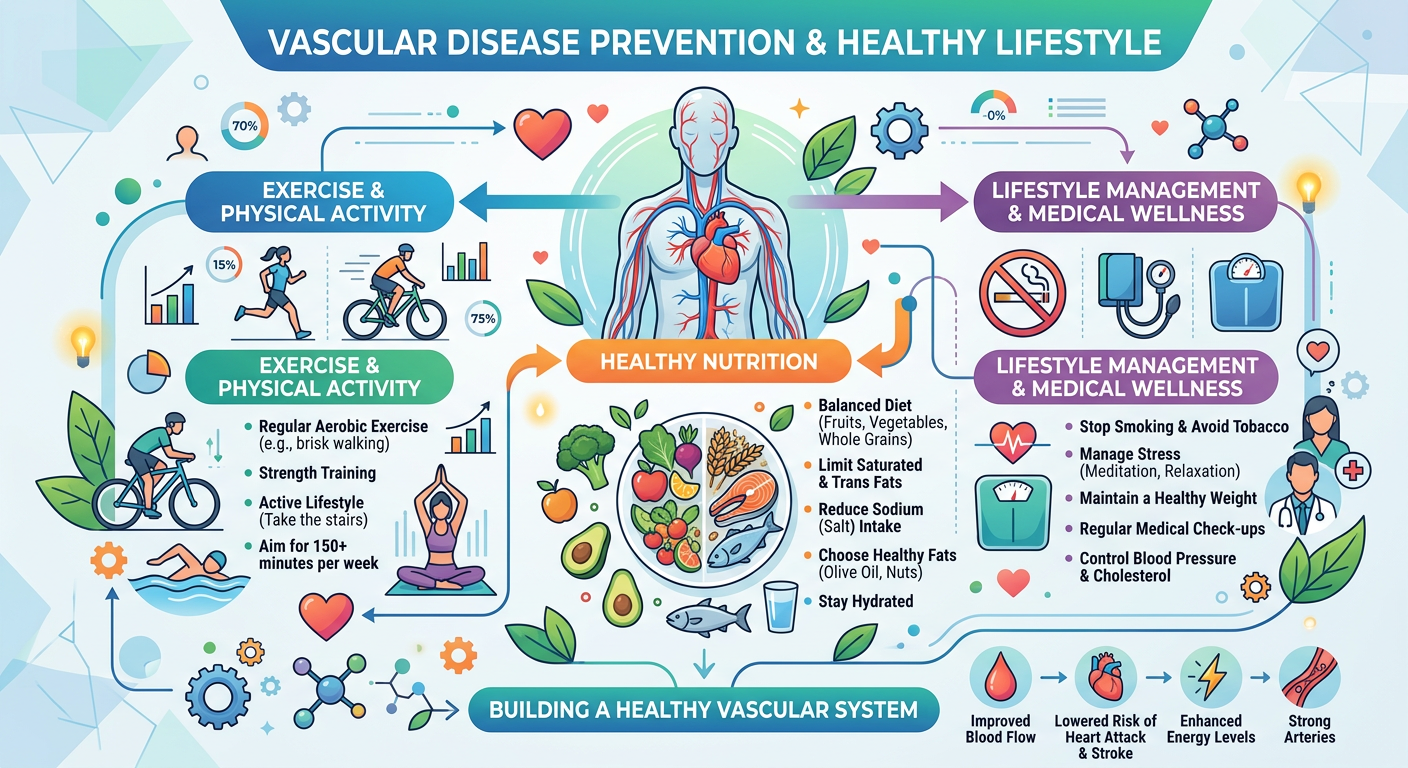
For most patients with primary Raynaud's, lifestyle modifications provide adequate control:
- Keep the entire body warm — layering clothes traps heat and reduces reflex vasospasm in the extremities
- Wear gloves in cold environments; use insulated mugs for cold drinks
- Avoid sudden temperature changes
- Stop smoking — tobacco causes intense peripheral vasoconstriction
- Manage stress through regular exercise, mindfulness, or counselling
Medical and Surgical Treatment
When lifestyle measures are insufficient, especially in secondary Raynaud's:
- Calcium channel blockers (nifedipine, amlodipine) — first-line drug therapy; relax arterial smooth muscle and reduce vasospasm frequency by 50–70%
- Phosphodiesterase inhibitors (sildenafil) — useful for severe or refractory cases
- Prostacyclin infusions — intravenous iloprost for severe digital ischaemia or active ulcers
- Digital sympathectomy: A microsurgical procedure in which Dr. Haggag strips the sympathetic nerve fibres from the digital arteries, abolishing the vasospastic signal. Reserved for severe, medication-resistant cases with digital ulcers.
Experiencing Colour Changes in Your Fingers?
A vascular assessment with Dr. Mohamed Haggag will determine whether your Raynaud's is primary or secondary — and create the right management plan for you.
Book a Consultation